YANA HOTEL
Oaxaca, México.
Interior Architecture
Interior Design
FF&E
Architecture | Ludwig Godefroy
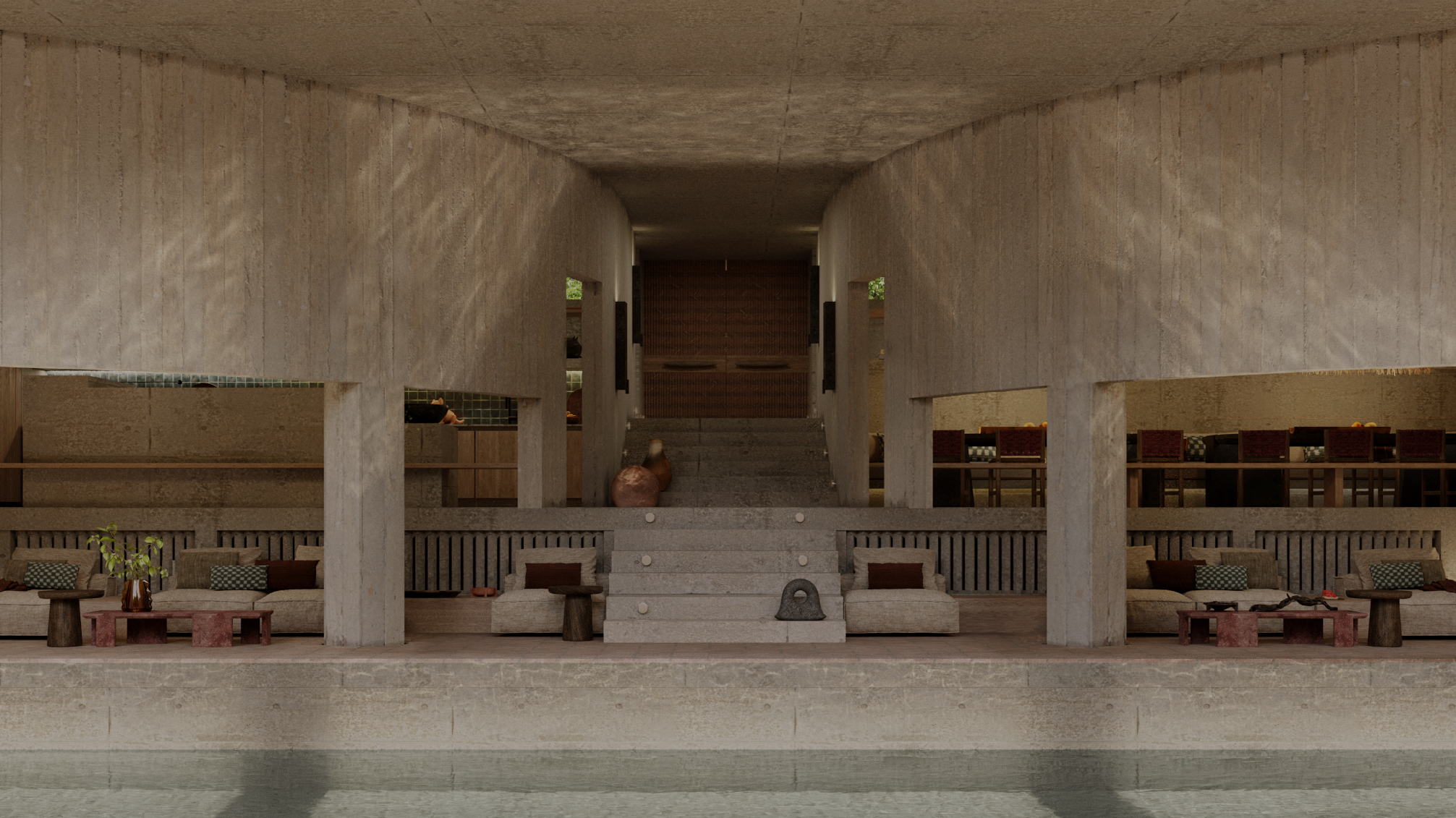
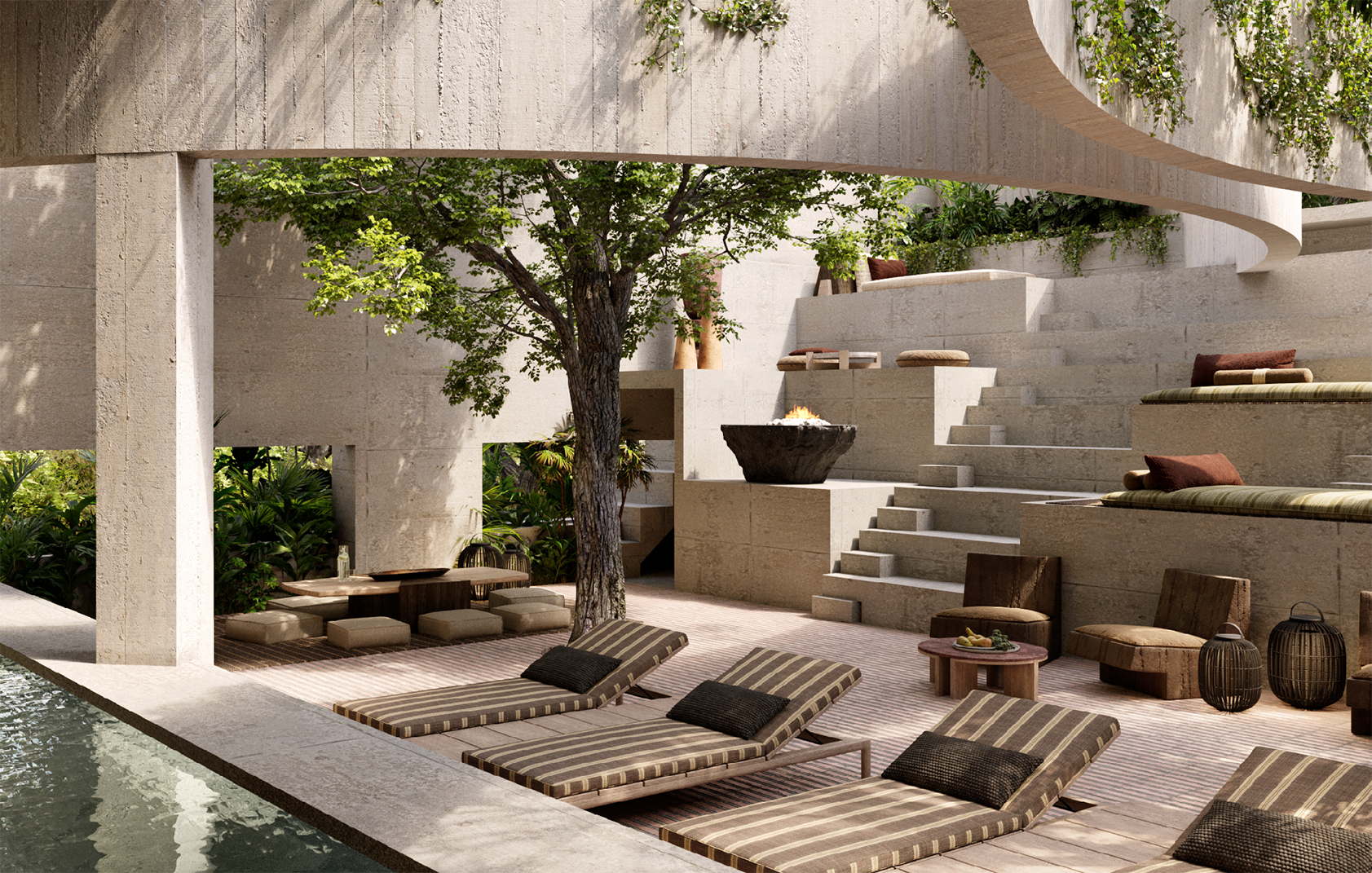
Deep in the Oaxacan tropics, stands a hotel that wasn’t built—it was summoned. It was born around a ceiba, the sacred tree, the Yaxché of the Maya. Its trunk pierces time and space like a spine that connects the heavens, the earth, and the underworld.
This is no garden—it is an altar. Surrounded by concrete, raw, coarse, honest. Brutalism as offering, as confrontation. A deliberate juxtaposition: living earth and human gesture. The wall does not impose—it shelters.
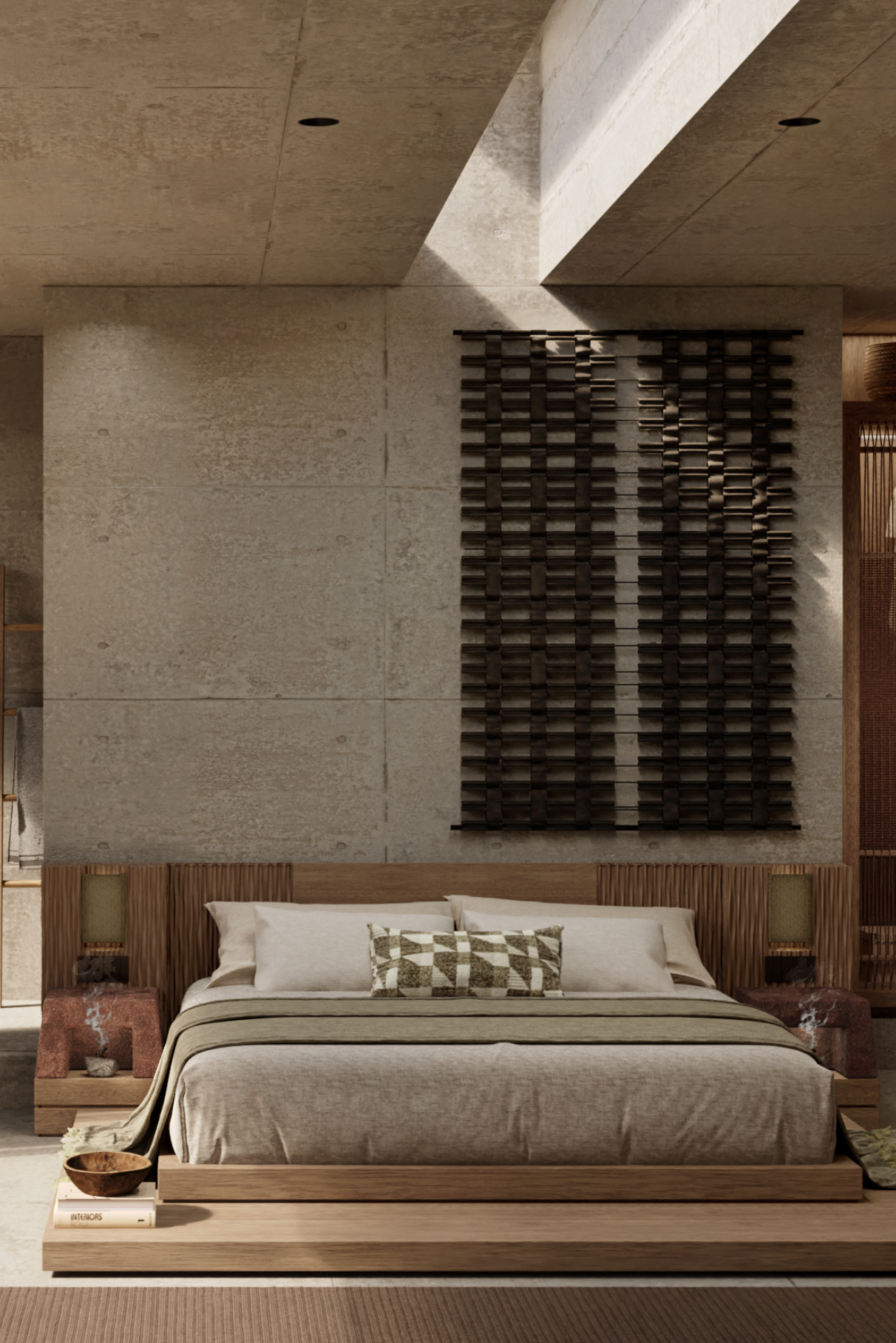
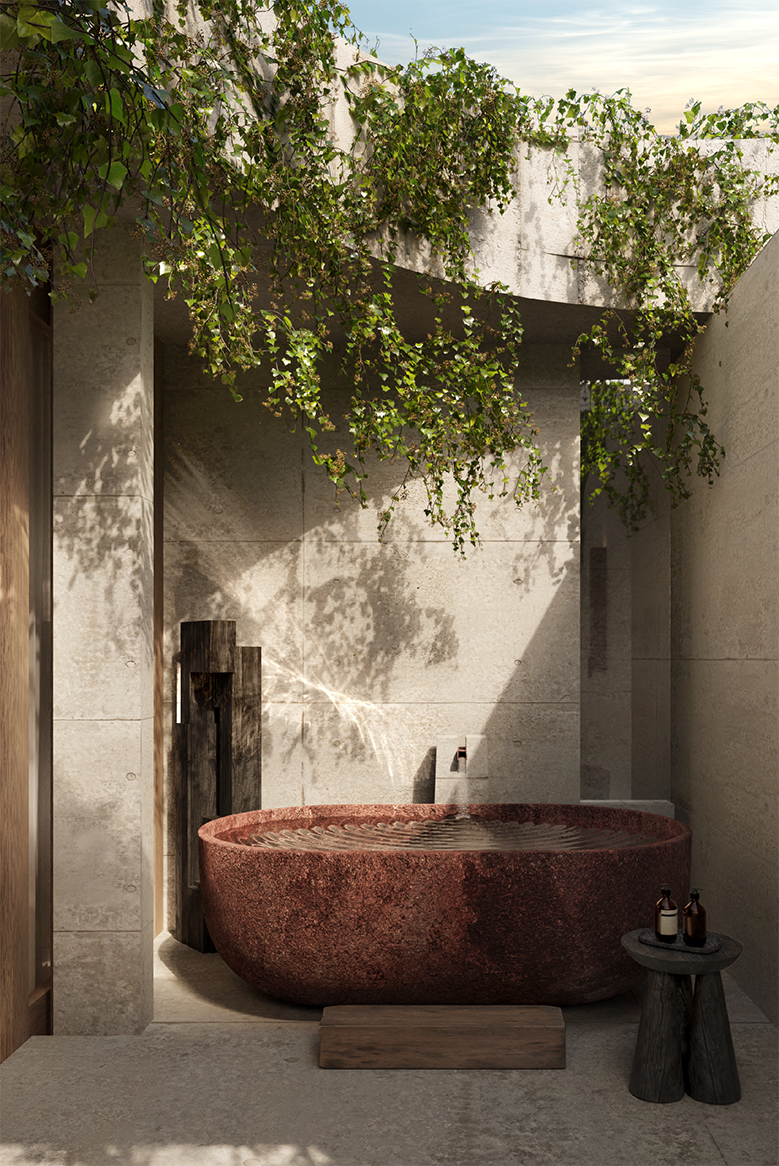
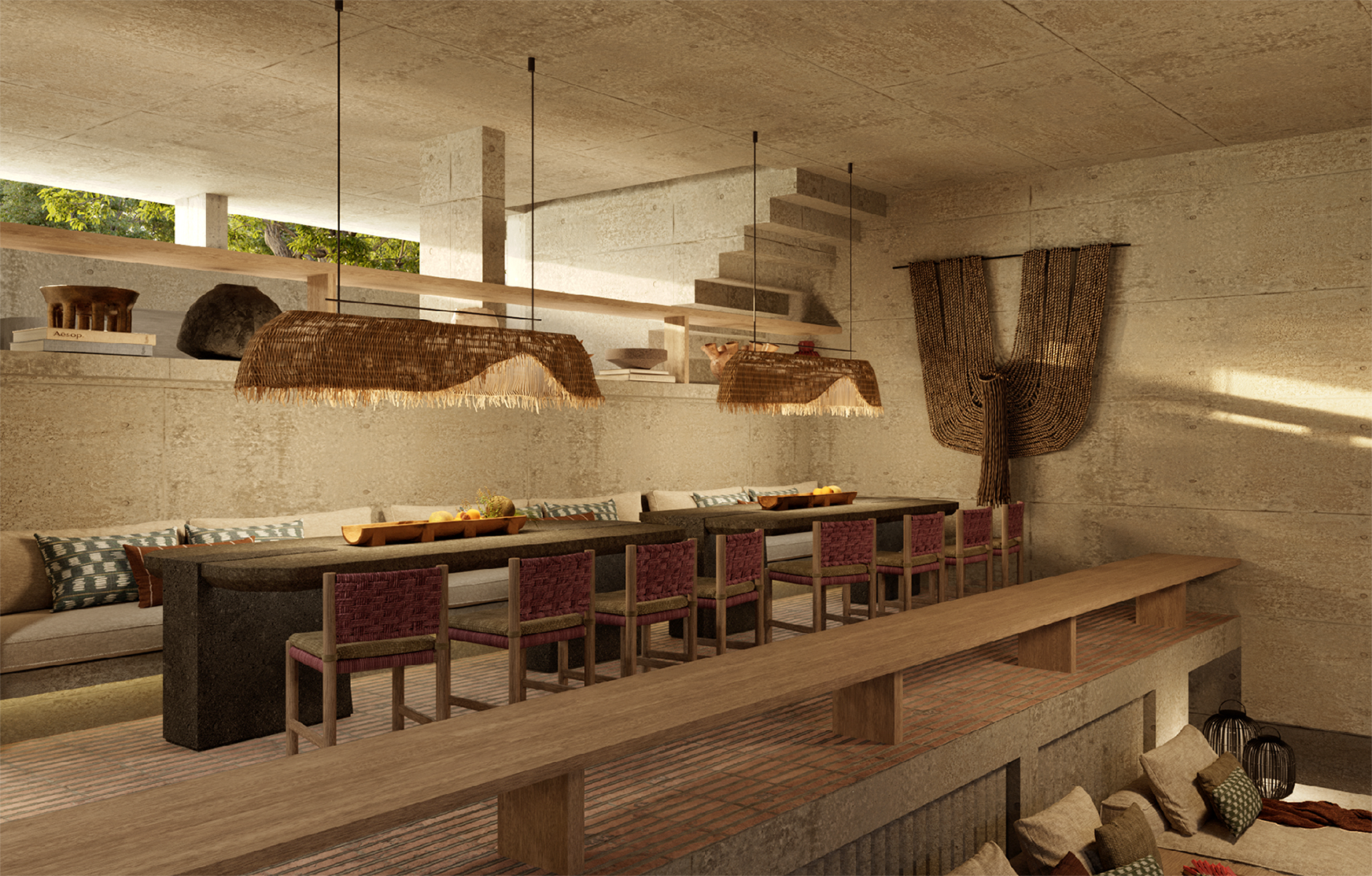
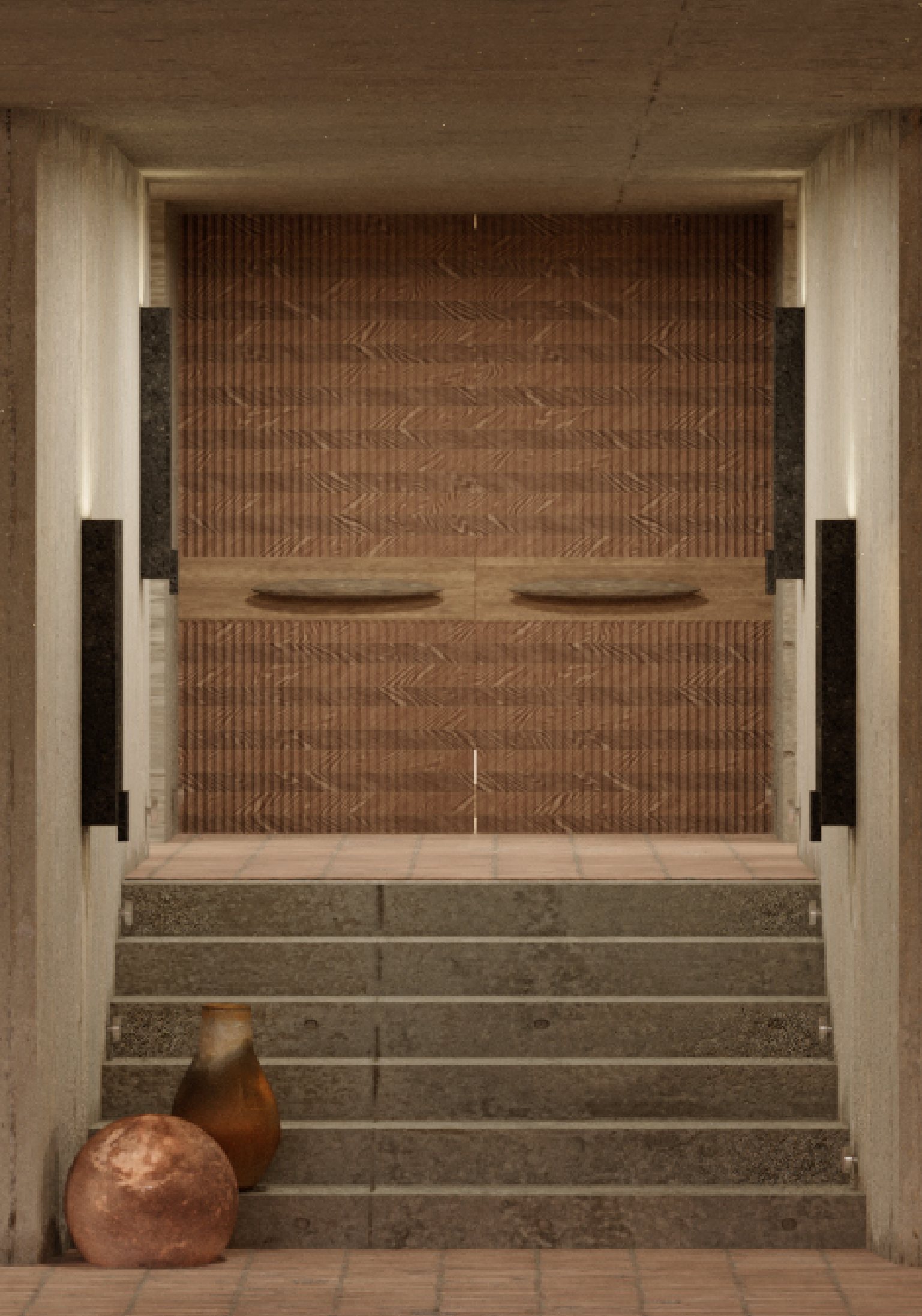
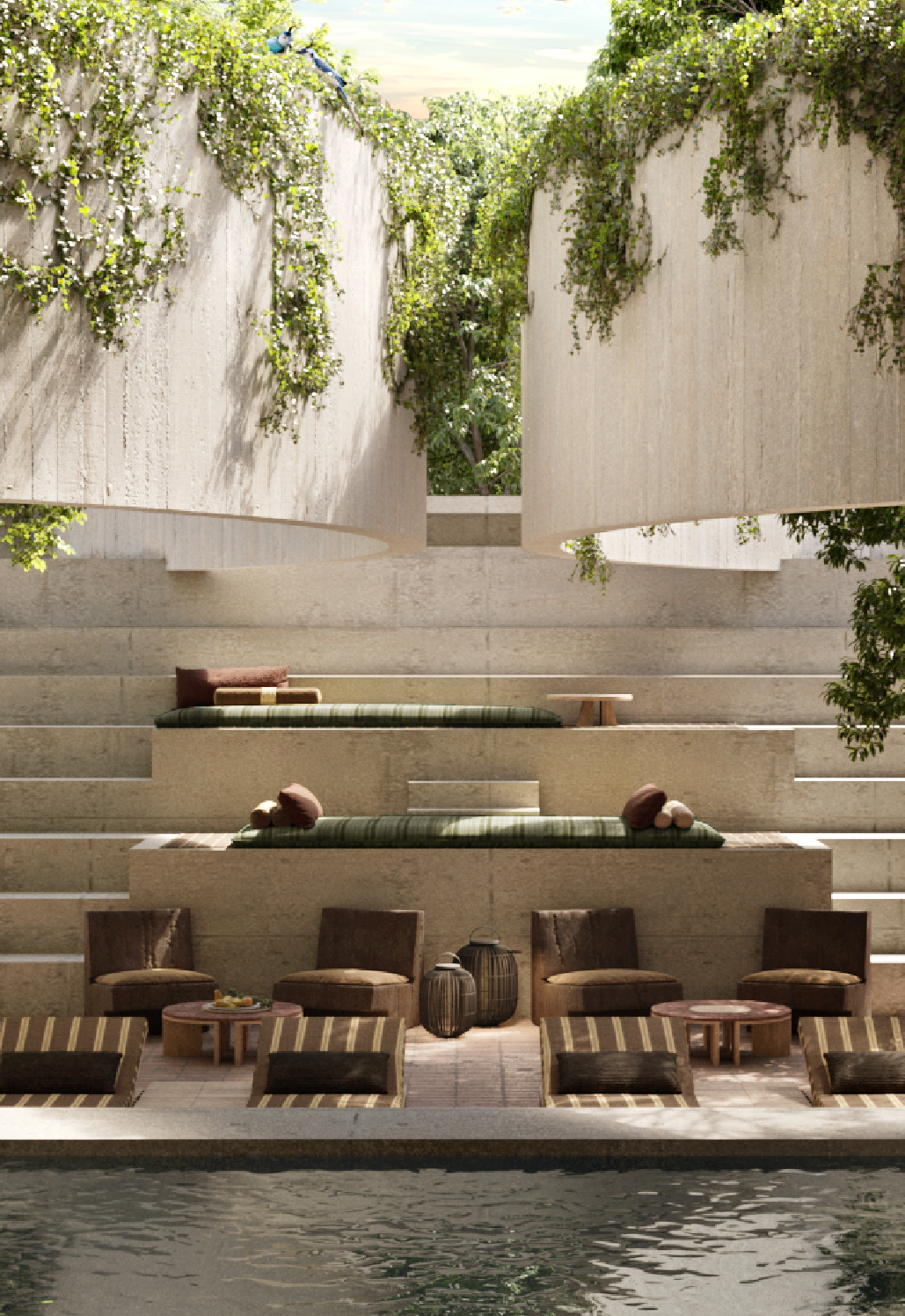
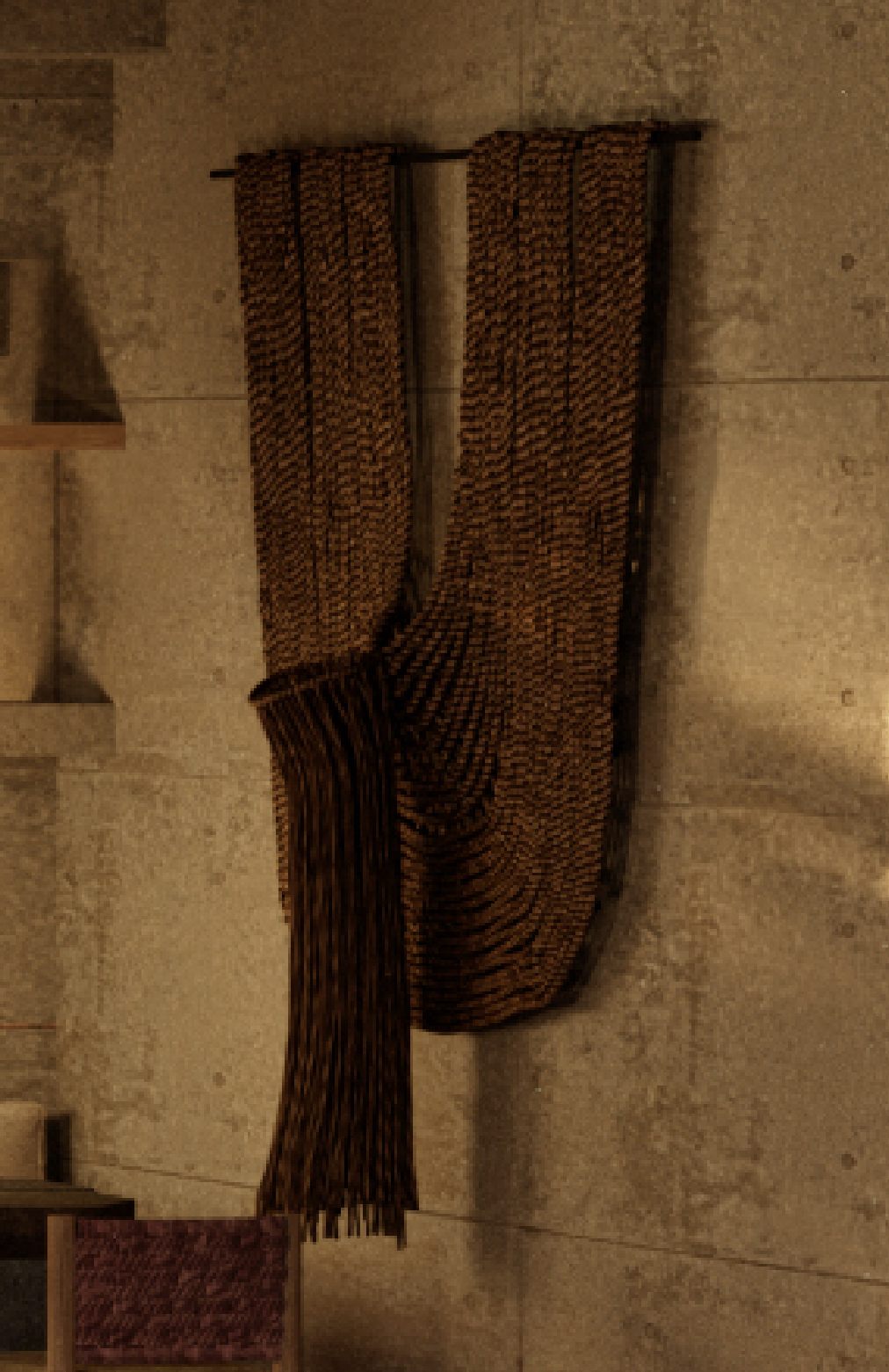
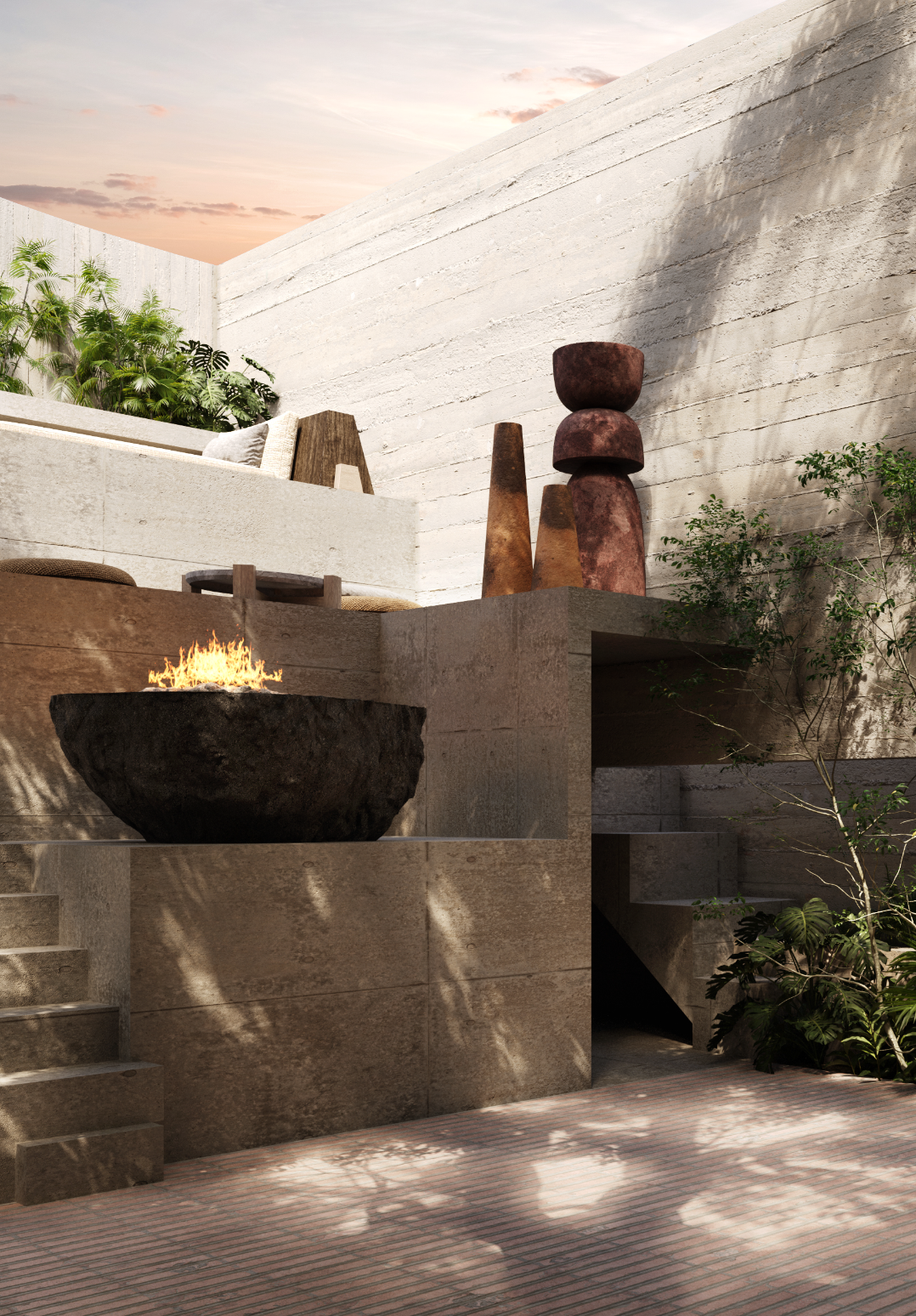
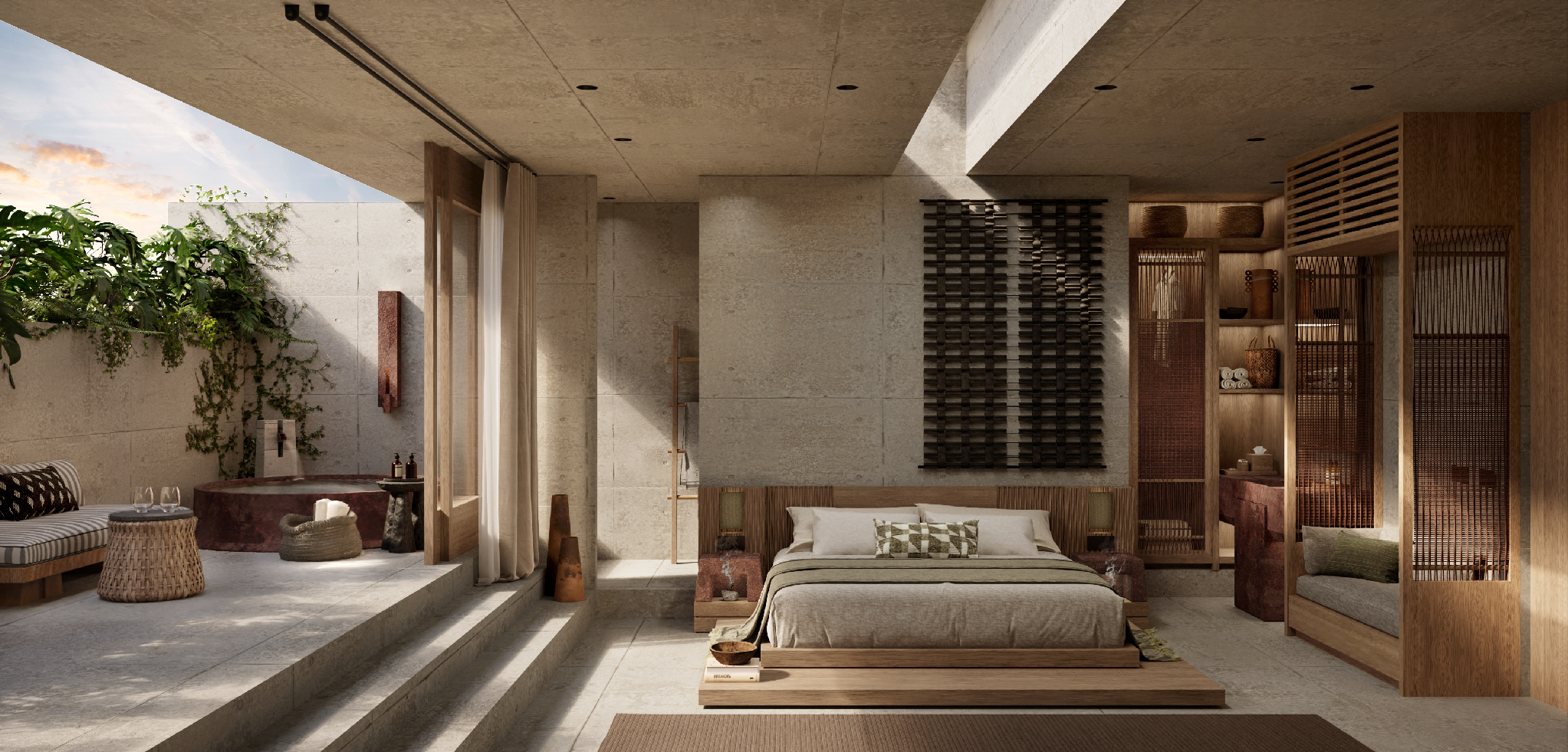
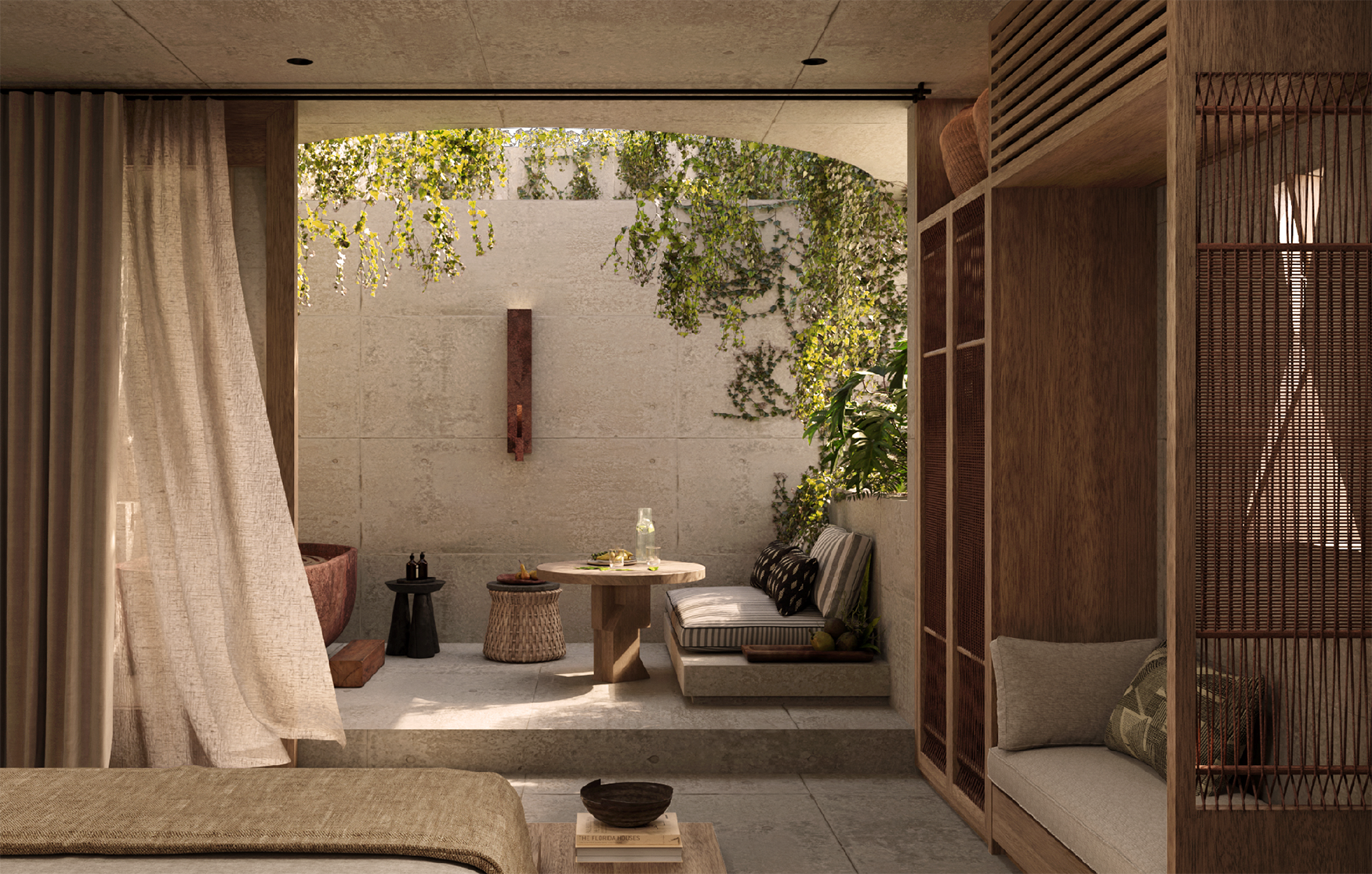
This space is not inhabited—it is lived like a rite. Light filters in like a feathered serpent, slipping through intentional openings. The objects—stone, clay, fibers—do not decorate; they guard. They are fragments of the underworld, messages from heaven.
Those who cross it do not walk—they ascend and descend. It is not a dwelling that protects, but one that transforms.
YANA HOTEL
Oaxaca, México.
Interior Architecture
Interior Design
FF&E
Architecture | Ludwig Godefroy
Deep in the Oaxacan tropics, stands a hotel that wasn’t built—it was summoned. It was born around a ceiba, the sacred tree, the Yaxché of the Maya. Its trunk pierces time and space like a spine that connects the heavens, the earth, and the underworld.
This is no garden—it is an altar. Surrounded by concrete, raw, coarse, honest. Brutalism as offering, as confrontation. A deliberate juxtaposition: living earth and human gesture. The wall does not impose—it shelters.
This space is not inhabited—it is lived like a rite. Light filters in like a feathered serpent, slipping through intentional openings. The objects—stone, clay, fibers—do not decorate; they guard. They are fragments of the underworld, messages from heaven.
Those who cross it do not walk—they ascend and descend. It is not a dwelling that protects, but one that transforms.
YANA HOTEL
Oaxaca, México.
Interior Architecture
Interior Design
FF&E
Architecture | Ludwig Godefroy
Deep in the Oaxacan tropics, stands a hotel that wasn’t built—it was summoned. It was born around a ceiba, the sacred tree, the Yaxché of the Maya. Its trunk pierces time and space like a spine that connects the heavens, the earth, and the underworld.
This is no garden—it is an altar. Surrounded by concrete, raw, coarse, honest. Brutalism as offering, as confrontation. A deliberate juxtaposition: living earth and human gesture. The wall does not impose—it shelters.
This space is not inhabited—it is lived like a rite. Light filters in like a feathered serpent, slipping through intentional openings. The objects—stone, clay, fibers—do not decorate; they guard. They are fragments of the underworld, messages from heaven.
Those who cross it do not walk—they ascend and descend. It is not a dwelling that protects, but one that transforms.
YANA HOTEL
Oaxaca, México.
Interior Architecture
Interior Design
FF&E
Architecture | Ludwig Godefroy
Deep in the Oaxacan tropics, stands a hotel that wasn’t built—it was summoned. It was born around a ceiba, the sacred tree, the Yaxché of the Maya. Its trunk pierces time and space like a spine that connects the heavens, the earth, and the underworld.
This is no garden—it is an altar. Surrounded by concrete, raw, coarse, honest. Brutalism as offering, as confrontation. A deliberate juxtaposition: living earth and human gesture. The wall does not impose—it shelters.
This space is not inhabited—it is lived like a rite. Light filters in like a feathered serpent, slipping through intentional openings. The objects—stone, clay, fibers—do not decorate; they guard. They are fragments of the underworld, messages from heaven.
Those who cross it do not walk—they ascend and descend. It is not a dwelling that protects, but one that transforms.
YANA HOTEL
Oaxaca, México.
Interior Architecture
Interior Design
FF&E
Architecture | Ludwig Godefroy
Deep in the Oaxacan tropics, stands a hotel that wasn’t built—it was summoned. It was born around a ceiba, the sacred tree, the Yaxché of the Maya. Its trunk pierces time and space like a spine that connects the heavens, the earth, and the underworld.
This is no garden—it is an altar. Surrounded by concrete, raw, coarse, honest. Brutalism as offering, as confrontation. A deliberate juxtaposition: living earth and human gesture. The wall does not impose—it shelters.
This space is not inhabited—it is lived like a rite. Light filters in like a feathered serpent, slipping through intentional openings. The objects—stone, clay, fibers—do not decorate; they guard. They are fragments of the underworld, messages from heaven.
Those who cross it do not walk—they ascend and descend. It is not a dwelling that protects, but one that transforms.


